SHUNAFFoZ (Festival) 2012
- 1
- 2






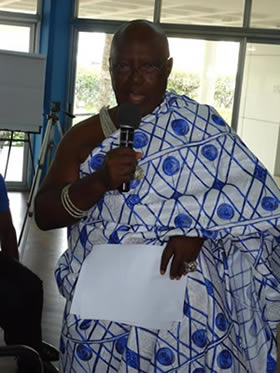
Visiting The Zambia National Visual Arts Council
Visiting the Zambia National Visual Arts Council can give filmmakers a practical connection to the country’s creative sector. For a producer, director or researcher, the value is rarely limited to a single office visit. The wider network may include visual artists, cultural administrators, festival organisers, galleries, community groups and film practitioners who understand how stories are developed and presented in Zambia.
The council environment is especially relevant when a film crosses disciplines. A documentary may require photography, archival research, exhibition design or community consultation. A short film may benefit from a visual artist’s approach to colour, costume, set construction or promotional materials. These relationships can strengthen both the creative concept and its public life after the premiere.
International visitors should also recognise that Zambia’s arts infrastructure operates through partnerships. Government bodies, independent organisations, festivals, funders and production companies often share responsibilities. Vilole Images Productions, for example, works across film development, pre-production, production and post-production while presenting completed work through its own channels and the Shungu Namutitima International Film Festival of Zambia.
For Australian filmmakers, the setting may feel familiar in principle but different in scale and process. A project that might move through Screen Australia, a state screen agency and a local council in Sydney, Melbourne or Brisbane may depend on a more personal network in Lusaka. A respectful conversation, a clear project brief and time for relationship-building can be as important as a formal application.
What The Council Can Offer Filmmakers
The national arts council and its visual arts connections can help filmmakers understand Zambia’s cultural landscape before cameras begin rolling. This may include introductions to artists, curators, cultural researchers and community representatives. Such contacts are useful when a production involves local histories, traditional practices, public art, craft, music or sensitive social themes.
A visit can also help clarify where different responsibilities sit. The council may provide institutional guidance or referrals, while a production organisation handles crew, equipment, scheduling and post-production. Festivals such as SHUNAFFoZ can offer another route into the sector by creating opportunities for screenings, filmmaker exchanges and audience feedback.
Filmmakers should arrive with a concise description of the project rather than expecting the council to develop the entire production. Include the working title, format, subject, locations, intended audience, production dates and the support being requested. A one-page brief is easier to share than a lengthy proposal during an initial meeting.
Visual artists may become valuable creative collaborators rather than simple suppliers. A sculptor could contribute to production design, a photographer could advise on visual references, and a muralist could help shape a location-based sequence. Agree early on credits, fees, ownership of artwork and permission to reproduce images in marketing.
Planning A Productive Visit
Before travelling, check current contact information, appointment procedures and any relevant public events. Do not assume that a walk-in visit will lead to a meeting with the right officer. A formal email followed by a polite phone call can make the process smoother, particularly when seeking introductions or institutional support.
Prepare a small digital and printed portfolio. It might include a showreel, two or three stills, festival selections, a director’s statement and evidence of previous community or cultural work. Keep files accessible on a phone or tablet, since large attachments may be inconvenient in a busy office or during a field visit.
The conversation should cover practical matters as well as artistic ambitions. Ask about suitable partners, cultural permissions, exhibition possibilities, local artists, public screening venues and relevant festivals. If the film will be shot in a community, ask who should be approached first and how consent should be recorded.
Australian producers will recognise the importance of permissions, though the pathway can differ from a local council permit in New South Wales or a location agreement in Victoria. Allow time for introductions and approvals in Zambia. A schedule built as tightly as a Melbourne commercial shoot may leave too little room for community consultation, travel between locations or changes in availability.
Comparing Useful Creative Connections
The strongest resource may not be a piece of equipment or a grant. It may be the person who can explain a cultural reference, recommend a trusted fixer or identify an artist whose work changes the direction of the film. The council can be a starting point for finding those connections, while organisations such as VIP can support the production process itself.
| Resource or connection | Useful for | What to prepare |
|---|---|---|
| National arts administration | Cultural guidance, referrals and sector information | Project brief and meeting request |
| Visual artists and galleries | Production design, exhibitions, stills and public engagement | Mood board, examples and budget |
| Film production organisations | Crew, scheduling, equipment and post-production | Script, draft schedule and financing status |
| Film festivals | Screenings, networking and audience development | Screener, synopsis and submission materials |
| Community and cultural advisers | Ethical storytelling and local consultation | Consent plan and clear communication materials |
Funding is another area where preparation matters. A small independent film may combine personal funds, sponsorship, grants, in-kind support and crowdfunding. VIP’s crowdfunding guide is useful for thinking about campaign planning, audience communication and rewards before asking supporters to contribute.
Australian filmmakers should map Zambian partners in the same way they would identify a producer, cultural consultant or distribution contact at home. Screen Australia funding, state agency support and festival markets can help an Australian project, but they do not replace local knowledge. A Zambian partner can improve accuracy, access and audience relevance from the earliest treatment stage.
Turning Visual Arts Into Film Value
Visual arts resources can contribute to every phase of a production. During development, an artist’s research may help establish the film’s visual language. In pre-production, sketches, location images and material samples can guide production design. During filming, artists may help create objects or environments that carry meaning without lengthy exposition.
Post-production creates further opportunities. A documentary could become a gallery installation, a photographic exhibition or an educational screening package. A short film might be paired with a live discussion, an illustration series or a public arts programme. This broader approach can help a project reach audiences who do not usually attend cinema screenings.
The partnership between film and visual culture also matters for environmental storytelling. Zambia’s landscapes, climate pressures and changing communities need more than attractive establishing shots; they require careful research and a responsible production method. VIP’s film and climate coverage shows how cinema can contribute to conversations about climate change in Zambia.
For visitors from Australia, this has a direct creative parallel. A project about bushfire recovery, coastal erosion around Queensland or water security in regional New South Wales may benefit from collaboration with photographers, designers and local knowledge holders. The same principle applies in Zambia: visual beauty should support the story, not obscure the people and issues at its centre.
Building Ethical Partnerships
A useful meeting should leave both sides with a clear understanding of expectations. Discuss who owns the footage, how artwork can be reproduced, how contributors will be credited and whether the finished film can be screened in local communities. Put agreements in writing, even when the first connection is informal.
Cultural protocols deserve particular care. Do not treat a community, ceremony or artwork as a convenient backdrop. Ask what can be filmed, who has authority to give permission and whether certain material should remain private. When working with Indigenous or culturally specific content in Australia, producers are accustomed to considering community protocols; the same seriousness is essential when working with Zambian communities and traditions.
A partnership also needs a realistic benefit-sharing plan. This could involve paid creative work, training placements, local crew opportunities, community screenings, translated materials or shared promotional credit. A project that brings only outside personnel and extracts images may damage trust, even if its intentions are positive.
VIP’s account of its partnership details helps place institutional collaboration in a film-sector context. It is a reminder that national arts bodies can connect creative practice with wider professional networks, events and public-facing opportunities.
Prepare Before You Visit
A short checklist can keep an initial meeting focused:
- Bring a one-page synopsis, visual references and a simple production timeline.
- Carry digital and printed examples of previous work.
- Identify the specific advice, introduction or permission you need.
- Allow extra time for transport, introductions and follow-up meetings.
Your behaviour and communication matter as much as your documents:
- Use clear language and avoid presenting Zambia as an exotic setting.
- Credit local collaborators from the beginning, not only in the final film.
- Confirm fees, rights, permissions and responsibilities in writing.
- Follow up promptly with agreed actions and useful project updates.
After the visit, turn promising conversations into a working contact sheet. Record names, roles, phone numbers, email addresses, availability and the next agreed step. Send a brief thank-you message, then share only the materials relevant to each person. This keeps relationships professional and avoids overwhelming new contacts with an unfinished production archive.
A visit can become the first stage of a longer exchange between Zambian and Australian filmmakers. Contact the relevant arts and production organisations, introduce your project clearly, and use the council network to develop partnerships that respect local expertise while giving the finished film a stronger creative and cultural foundation.
SHUNAFFOZ 2016 Entry Form

Featured Articles
- 1
- 2



SHUNGU NAMUTITIMA INTERNATIONAL FILM FESTIVAL (SHUNAFFoZ) 2015
Vilole Images Productions is glad to invite filmmakers to submit documentaries, short films and full-length films to the Shungu Namutitima International Film Festival of Zambia (SHUNAFFoZ). The festival will run from Friday 21st to Saturday 29th August 2015 in Livingstone and from Wednesday 19th to Saturday 22nd August 2015 in Kabwe. Deadline for submissions is Monday 22nd June 2015. Celebrating the 10th Anniversary, under the theme ''DARE TO DREAM, MAKE A DIFFERENCE'', the festival will accept Zambian and African films in competition. However, films from all over the world are for screenings ONLY. the 10th Anniversary will introduce another special award - the Artists Rights Award.
Read more
SHUNGU NAMUTITIMA INTERNATIONAL FILM FESTIVAL (SHUNAFFoZ) 2015
Vilole Images Productions (VIP) is glad to invite filmmakers to submit docuentaries, short films and full-length feature films to the Shungu Namutitima (Smoke That Thunders) International Film Festival of Zambia (SHUNAFFoZ). The festival will run from Friday 21st to Saturday 29th August 2015 in LIVINGSTONE and from Wednesday 19th to Saturday 22nd August 2015 in KABWE. Deadline for submissions is Monday 22nd June 2015. Celebrating the 10th Anniversary, under the theme ''DARE TO DREAM, MAKE A DIFFERENCE'', the festival will accept Zambian and African films for competition. However, films from all over the world are for screening only. The 10th anniversary will introduce another special award - the Artists Rights Award
Read moreFeatured Video
Visitors Counter


|
Today | 128 |

|
Yesterday | 1858 |

|
This week | 1986 |

|
Last week | 10247 |

|
This month | 5326 |

|
Last month | 44630 |

|
All days | 626767 |
Your IP: 54.173.35.129
,
Today: Dec 04, 2017