SHUNAFFoZ (Festival) 2012
- 1
- 2






VIP’s guide to submitting your film to SHUNAFFoZ online
Submitting a film to an international festival can feel like sending a parcel into a very busy post office. The email lands, the tracker moves, and everyone waits. A SHUNAFFoZ entry should work as a compact invitation: the film must be easy to watch, understand and trust. This guide explains how Australian filmmakers can prepare a polished online entry without losing the voice or integrity of their work.
Vilole Images Productions presents documentaries, short films and feature-length films at the Shungu Namutitima International Film Festival of Zambia, commonly called SHUNAFFoZ. Its online submission process gives filmmakers a chance to reach selectors and audiences in Zambia and beyond. For creators in Sydney, Melbourne, Brisbane, Perth or regional centres, careful preparation makes the difference between a file that opens and a film that commands attention.
Match the film to the right programme
Begin with what kind of film you have made, not what label sounds most impressive. SHUNAFFoZ welcomes documentary, short and feature-length categories, while the current call for entries may distinguish durations, formats and programme strands. Check the running time against the published category, then read the festival’s stated priorities. Your film needs a reason for being seen at SHUNAFFoZ, whether through an urgent social perspective, a distinctive formal experiment or a revealing story from Zambian and wider African lives.
Next, test your film’s festival readiness. Has it completed its festival journey? Is it a world premiere, an Australian premiere or an earlier public screening? Have collaborators approved the cut? Selectors need this context, and a feature’s first public showing may be handled differently from a short’s. Current deadlines, eligibility rules and contact details should come from the materials VIP publishes for the current edition. Older festival posts can provide background, but they are not a reliable rulebook.
Check eligibility before editing
Confirm that you control the rights needed to submit the film. If a producer or distributor handles the entry, secure written authority and make sure the credited contacts can respond. Review agreements for the score, archive footage, photographs, performances and other protected material. A signed festival entry does not automatically clear every underlying right, and incomplete music clearance can affect whether the film can be exhibited.
Classification and audience information matter too. Australian releases usually work through the Australian Classification Board, and any classification relevant to the submitted cut should be recorded accurately. If material needs context, provide a concise content note rather than hiding it. Specify the film’s language and every subtitle language, including English where relevant. A truthful declaration gives the selection committee confidence that you understand the material.
Prepare the film and its supporting material
Your screener should be the exact version you want considered, not a rough assembly with room for accidental changes. Lock picture and sound, check the opening and closing credits, and watch the complete file on a second device. Keep the runtime accurate. Upload the clearest permitted master through the online submission portal and retain a local backup, because a failed upload should not become a missed deadline. If the portal accepts a streaming link as well as a file, test it from a signed-out browser and a different connection.
Treat the written entry as part of the film package. A tight logline explains the dramatic question, while a synopsis gives the setting, central characters and movement of the story. Add a short director’s statement, biographies for the director and producer, credits, production country, year, format and language. A high-quality film frame or set of professional stills can show visual intent. Avoid generic festival buzzwords; name the choices that make the work specific, and keep every field consistent with the title and credits on screen.
Make the package persuasive without overselling
Selectors do not need a paragraph of adjectives. They need enough information to understand why this film matters and why your perspective is distinctive. Describe the story, the form and the access you had as a filmmaker. For a documentary, explain the people or place at the centre and the questions explored, without turning a synopsis into a promotional slogan. For a narrative, clarify the central conflict and emotional stakes. For an experimental or hybrid work, explain its structure plainly so that formal ambition is not mistaken for obscurity.
Read the entry as an outsider would. A programmer may have screened dozens of films that morning; a clear sentence is kinder than clever language that needs decoding. If selected, the same care matters in the room: Q&A preparation, punctuality and respectful engagement with other audiences. VIP’s film festival etiquette guide offers useful guidance for first-time attendees, including how filmmakers can represent themselves well before and after a screening. Carry that courtesy into your online profile.
Budget fees and protect your rights
Check whether the current call includes an entry fee, then plan for screeners, travel, accommodation, insurance, publicity and specialist work such as subtitles or colour correction before committing to a festival. In Australia, many production companies budget in AUD and may need to account for GST or an overseas card charge. Keep the currency and payment deadline visible, save every receipt, and build a contingency for a re-upload or correction. VIP’s account of low-budget filmmaking in Lusaka reminds us that sound financial decisions begin with a realistic production plan rather than focusing only on the final fee.
Before clicking the final terms, understand how the festival may screen the work, retain files, publish frames, use the submission for promotion and communicate with selected filmmakers. Check any request for a non-exclusive licence and whether publicity material must be credited. Use a distinct portal password rather than your main streaming password, and do not use an openly shared personal drive as though it were a private exchange. If you are uncertain about a term, ask VIP for clarification in writing and keep the response with your records.
Use Australian context without narrowing the film
Give selectors enough Australian context to read your work accurately, but let the film speak in its own voice. Australia spans several production centres: Sydney and Melbourne are major hubs, Brisbane has a strong screen sector, and Perth and Adelaide support distinctive regional stories. Teams often say they will “lock the cut” or “run the trailer past the team” before submission. Those familiar phrases are fine in conversation; online forms should remain professional, internationally clear and consistent about how a term is being used.
Time zones are a practical local reality. Sydney and Melbourne generally use AEST or AEDT, Brisbane remains on AEST, Perth uses AWST, and Adelaide uses ACST or ACDT. If you arrange a follow-up call with Zambia, agree on the date, clock time and time zone in writing; Australia’s daylight-saving changes can turn a morning meeting into an evening or early-morning event. Australia’s federal structure also means projects commonly navigate both national and state support pathways, including Screen Australia, Screen NSW, Film Victoria, Screenwest, SAFC and Brisbane Screen. These programmes can support development, production and distribution, but your submission should identify the film’s actual production provenance rather than borrow institutional language.
Submit with confidence and prepare for selection
Complete the online form in one focused sitting, then have another person check it. Save a copy of the synopsis, confirm that the title matches every uploaded asset, and test the screener once more before locking the entry. If a mandatory field seems ambiguous, use the current contact route rather than guessing. A concise follow-up email after submission should thank the team and restate the film title; do not send repeated “please consider my film” messages, because persistence cannot repair missing information.
Before you press submit, use this practical checklist:
- Confirm the category, running time, premiere status, deadline and required formats.
- Upload a final, tested screener with an accurate logline, synopsis, credits and stills.
- Secure permissions for music, archival material, portraits and other protected content.
- Check classification, language, subtitle and content-note details against the submitted cut.
- Budget the fee, taxes, exchange costs, insurance and any travel in Australian dollars.
- Save the confirmation, receipt, final copy and submission date in one secure folder.
Your application is ready when a selector can identify the film, understand its premise and open the screener without friction. Visit the official VIP website, open the current SHUNAFFoZ submission route, choose the right programme, and send your strongest version with a clear logline, a careful synopsis and all supporting files ready. That disciplined final pass gives your work its best chance in Zambia and demonstrates the professionalism you want the festival to remember.
SHUNAFFOZ 2016 Entry Form

Featured Articles
- 1
- 2
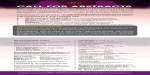


SHUNGU NAMUTITIMA INTERNATIONAL FILM FESTIVAL (SHUNAFFoZ) 2015
Vilole Images Productions is glad to invite filmmakers to submit documentaries, short films and full-length films to the Shungu Namutitima International Film Festival of Zambia (SHUNAFFoZ). The festival will run from Friday 21st to Saturday 29th August 2015 in Livingstone and from Wednesday 19th to Saturday 22nd August 2015 in Kabwe. Deadline for submissions is Monday 22nd June 2015. Celebrating the 10th Anniversary, under the theme ''DARE TO DREAM, MAKE A DIFFERENCE'', the festival will accept Zambian and African films in competition. However, films from all over the world are for screenings ONLY. the 10th Anniversary will introduce another special award - the Artists Rights Award.
Read more
SHUNGU NAMUTITIMA INTERNATIONAL FILM FESTIVAL (SHUNAFFoZ) 2015
Vilole Images Productions (VIP) is glad to invite filmmakers to submit docuentaries, short films and full-length feature films to the Shungu Namutitima (Smoke That Thunders) International Film Festival of Zambia (SHUNAFFoZ). The festival will run from Friday 21st to Saturday 29th August 2015 in LIVINGSTONE and from Wednesday 19th to Saturday 22nd August 2015 in KABWE. Deadline for submissions is Monday 22nd June 2015. Celebrating the 10th Anniversary, under the theme ''DARE TO DREAM, MAKE A DIFFERENCE'', the festival will accept Zambian and African films for competition. However, films from all over the world are for screening only. The 10th anniversary will introduce another special award - the Artists Rights Award
Read moreFeatured Video

Visitors Counter


|
Today | 128 |

|
Yesterday | 1858 |

|
This week | 1986 |

|
Last week | 10247 |

|
This month | 5326 |

|
Last month | 44630 |

|
All days | 626767 |
Your IP: 54.173.35.129
,
Today: Dec 04, 2017