SHUNAFFoZ (Festival) 2012
- 1
- 2



Filming wildlife sequences in Zambian documentaries
Wildlife sequences can give a documentary its emotional power, but a memorable sequence depends on far more than a spectacular close-up. These tips for filming wildlife sequences in a documentary in Zambia start with patience: learn an animal’s routines, protect its welfare and plan coverage a camera can actually record. The goal is natural behaviour, not a staged encounter.
Australian filmmakers may be used to wildlife and remote production, but Zambian habitats, roads, community structures and permissions require local guidance. Places such as Kakadu and Arnhem Land offer a useful comparison when wet-season tracks close and heat shapes the working day. In Australian crew talk, a producer might call a plan “not too bad”, while a guide may “reckon” it needs to “give it a touch more” time.
The strongest sequences combine a reliable shot plan with flexible observation. Establish where the animal is, wait for what it does, and capture enough sound to place viewers inside the landscape. Plan for movement, silence, weather and setbacks while keeping people, livestock and wildlife out of harm’s way.
Read the habitat before the cameras arrive
Begin with habitat and species research, then connect ecological knowledge to a practical field strategy. The Luangwa Valley, Kafue, Lower Zambezi, Bangweulu and Liuwa Plain each have different seasonal rhythms. Water can draw elephants into open ground, while shade, food availability and disturbance alter how long they remain. Record these conditions in a scout log.
Scout routes at different times of day and compare them with ranger or community knowledge. Listen for tracks, calls, feeding signs and fresh spoor rather than relying on one spectacular sighting. Build a realistic list around arrivals, departures, resting and interactions, then leave space for unexpected behaviour. The list coordinates effort; it should not dictate what the animal must do.
Australian production teams often work in similarly variable conditions, from tropical savanna to desert tracks, so weather and access contingencies belong in the first schedule. Keep an alternative route and position ready. If a herd leaves early, the crew should be able to change from close coverage to a wider environmental sequence without treating the loss as a failure.
Build permission through community trust
Permissions should be secured before camera gear is booked. Depending on the location, this may involve Zambia Wildlife Authority, national park management, district authorities, customary landholders and local community institutions. Ask each relevant body what filming, drones, vehicles and access are permitted, and obtain the result in writing. A general invitation to visit a village does not permit filming wildlife or recording residents.
Appoint a local liaison who can explain customary protocols and maintain access relationships through changing weather and wildlife movement. Agree on what the production will capture, how footage will be used and how participants will be credited and paid. When residents appear beside a conservation story, careful methods for directing non-professional actors can keep performances natural and protect trust beyond the shoot.
Community proximity also affects camera placement. A road, tourist camp or livestock corridor may put people too close to stressed animals. If a resident describes a sighting, record the interview away from the animal and avoid recreations presented as current events. Transparency protects both the participant and the eventual viewer.
Plan behaviour-focused coverage
Build coverage around behaviour rather than a wish list of rare poses. Before filming, create a simple ethogram: note each animal’s posture, movement, feeding, alertness and surrounding conditions. This helps editors find useful material and reveals patterns, such as an elephant shifting its weight before crossing open ground or wild dogs changing direction after a disturbance. Use those patterns to test camera positions.
Remain quiet and allow the animal to choose the distance. Avoid baiting, call playback, chasing, flash or blocking routes with vehicles. A long lens can provide detail without intrusion, while a wider composition preserves context and scale. Move from landscape to action to a small detail, allowing the edit to connect cause and effect. Label footage from sanctuaries, rehabilitation centres or captive programmes so viewers can distinguish it from life in the wild.
Choose equipment for distance and light
Equipment should suit the distance, not inflate the budget. A mirrorless or cinema camera with a 100mm-to-500mm zoom handles many landscape observations, while a longer prime can support distant detail in good light. Use a tripod, gimbal or padded monopod, and check whether focus and aperture settings preserve detail in harsh contrast. Bring one dependable body rather than several unfamiliar ones.
Protect the kit from dust, rain, humidity and transport vibration. Lens cloths, breathable covers, spare batteries and sealed cases matter on long tracks. Neutral density filters can help with bright light, but they also reduce exposure, so expose for shadows without assuming a filter will rescue every shot. Start the camera log, slate and timecode backup before the first animal appears.
Australian factual production runs through Screen Australia funding, ABC and SBS commissioning, specialist production houses and established camera-hire networks in Sydney, Melbourne and Brisbane. That mature market rewards lead time and contingency planning. For Zambia, freight, customs, insurance and local transport can remove those advantages, so allow time for clearance and carry backup equipment rather than assuming spare parts will arrive.
Capture sound as carefully as pictures
Treat sound as a separate craft. Record clean location audio with a shotgun and directional microphone, then use a recorder and small microphones on an animal or its cover where appropriate and safe. Capture ambience around each setup, including wind, insects, birds and distant calls. A quiet image without its soundscape can feel strangely empty. Headphones also help crews distinguish a faint call from the constant insect layer.
Linking wildlife sound to local music can deepen a sequence’s sense of place. Careful research into Zambian soundtrack traditions can show how instruments, call-and-response and environmental rhythm shape an authentic audio bed. Record community performances with informed consent and credit the artists properly. Do not use a ceremonial song merely because it sounds atmospheric. In the edit, a few strong animal sounds usually work better than stacking every noise.
Design a safe and reliable field routine
Build a field safety plan around Zambia’s real conditions. Heat, intense rain, lightning, malaria risk, snakes, large mammals and remote stretches without reliable mobile coverage require preparation. Carry water, sun protection, first-aid supplies, maps and emergency contacts, and ensure the crew knows who is trained to respond. Local guides and drivers should be part of the safety plan, not added only for transport. Never work alone in a remote area or enter an active wildlife conflict zone without clearance.
Check vehicles, fuel, tyres and recovery equipment before departure. Use satellite communications where coverage fails, establish check-in times and set weather triggers for turning back. Protect the footage as carefully as the equipment: use two encrypted drives in separate locations, back up original camera files each evening and retain the rushes. Restrict precise location data where disclosure could expose vulnerable animals, and obtain consent before publishing faces, names or routes.
Turn field observations into a finished film
The edit should explain what the animal is doing, why it matters and what the camera could not see. Establish geography, build toward meaningful action and preserve a few pauses. Cut on movement or sound, not every blink. Keep the strongest wide shot, the closest respectful detail and one clean reaction as anchor points. Maintain a production log linking every selected clip to its time, place, species, behaviour and camera settings.
Before booking the crew, turn the research into a one-page field plan naming locations, permissions, local partners, safety stops and behaviour priorities. Share costs and credit clearly. When the footage is ready, contact Vilole Images Productions about development, pre-production or post-production, review its completed work, or check the current SHUNAFFoZ guidelines to submit a documentary, short film or feature for festival consideration. A respectful field process is the first step toward a film the audience and the landscape can both trust.
SHUNAFFOZ 2016 Entry Form

Featured Articles
- 1
- 2
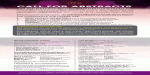

SHUNGU NAMUTITIMA INTERNATIONAL FILM FESTIVAL (SHUNAFFoZ) 2015
Vilole Images Productions is glad to invite filmmakers to submit documentaries, short films and full-length films to the Shungu Namutitima International Film Festival of Zambia (SHUNAFFoZ). The festival will run from Friday 21st to Saturday 29th August 2015 in Livingstone and from Wednesday 19th to Saturday 22nd August 2015 in Kabwe. Deadline for submissions is Monday 22nd June 2015. Celebrating the 10th Anniversary, under the theme ''DARE TO DREAM, MAKE A DIFFERENCE'', the festival will accept Zambian and African films in competition. However, films from all over the world are for screenings ONLY. the 10th Anniversary will introduce another special award - the Artists Rights Award.
Read more
SHUNGU NAMUTITIMA INTERNATIONAL FILM FESTIVAL (SHUNAFFoZ) 2015
Vilole Images Productions (VIP) is glad to invite filmmakers to submit docuentaries, short films and full-length feature films to the Shungu Namutitima (Smoke That Thunders) International Film Festival of Zambia (SHUNAFFoZ). The festival will run from Friday 21st to Saturday 29th August 2015 in LIVINGSTONE and from Wednesday 19th to Saturday 22nd August 2015 in KABWE. Deadline for submissions is Monday 22nd June 2015. Celebrating the 10th Anniversary, under the theme ''DARE TO DREAM, MAKE A DIFFERENCE'', the festival will accept Zambian and African films for competition. However, films from all over the world are for screening only. The 10th anniversary will introduce another special award - the Artists Rights Award
Read moreFeatured Video
Visitors Counter


|
Today | 128 |

|
Yesterday | 1858 |

|
This week | 1986 |

|
Last week | 10247 |

|
This month | 5326 |

|
Last month | 44630 |

|
All days | 626767 |
Your IP: 54.173.35.129
,
Today: Dec 04, 2017