SHUNAFFoZ (Festival) 2012
- 1
- 2






The script supervisor in a low-budget Zambian production
A script supervisor, sometimes called a continuity supervisor, keeps the filmed story aligned with the approved script and decisions made on set. On a low-budget Zambian production, the position sits between the director, camera team and editor, but its value is not reduced by a modest budget. It can prevent costly reshoots, protect performances and create a dependable record when schedules, equipment or locations change.
For Australian audiences, the role may sound familiar from television, advertising and feature films, yet working across Lusaka’s busy roads, changing weather and flexible crews calls for adaptation. The discipline transfers well to productions in Sydney, Melbourne, Brisbane and other Australian cities, where access, budgets and regulations can also be tight. This guide explains how the job can be scoped and integrated without assuming Hollywood resources.
Why the role matters on a small Zambian set
A low-budget shoot in Zambia often combines a compact crew and limited shooting days. A missed match in wardrobe, eyeline or hand position can therefore affect an edit with no spare coverage to repair it. The script supervisor identifies that mismatch while it is still fixable, rather than relying on memory weeks later in an editing suite.
The supervisor records how the director resolves each scene: which version of a line is spoken, where a character looks, how much time passes, which prop is used and whether an apparent continuity error is intentional. Those notes let the editor assemble a coherent sequence and help the producer assess reshoot needs. They also reveal patterns, such as repeated script changes or scenes that repeatedly overrun their allotted time.
The job requires presence, diplomacy and precise observation, but it does not replace the director, producer or editor. A supervisor flags problems and preserves evidence; creative and budget decisions remain with those leads. Production companies can establish that boundary by consulting Vilole’s production services during planning and briefing the crew on the supervisor’s authority and reporting line.
Preparing the script before cameras roll
Preparation begins with the current shooting script, not an old draft circulating on WhatsApp. The supervisor should receive the approved version, scene and page numbering, schedule, cast list and location plan. Every revision should carry a visible date or version number, with obsolete pages removed. This control prevents departments from working from different intentions.
Working with the director and cinematographer, the supervisor breaks each scene into entry and exit states: character positions, props, clothing, body condition, weather and frame geography. A continuity bible can be a spreadsheet, shared document and labelled photo archive; expensive software is unnecessary. Where power and connectivity are inconsistent, a local backup on two devices and a printed daily report are prudent.
The breakdown also supports time planning. A dialogue-heavy scene may need fewer setups than a busy location where traffic, pedestrians or changing light affect each take. The supervisor’s notes explain why coverage changed. Production companies should build reporting time into the schedule because a supervisor who interrupts takes without documenting the change offers little control.
Continuity on location and in the edit
Each day starts with the day’s sides, call sheet and revised pages, followed by a brief check that the whole team is using the same script. During blocking, rehearsals and takes, the supervisor watches more than wardrobe. Performance continuity includes facial expression, gestures, eye lines, physical movement and the timing of reactions. Art, sound, hair, makeup, camera and lighting information is recorded when it affects what the audience will see or hear.
Physical continuity deserves equal attention. A cup should not change level between shots; a coat button should not move; a wound should not appear on the wrong hand. Screen direction must also remain legible, especially when a conversation crosses a table or a character enters from opposite sides of a doorway. Photos taken at the end of each take, together with short notes and camera reports, provide an objective reference when memory becomes unreliable.
In Lusaka, an afternoon storm, power interruption or location shift can alter light and movement without becoming part of the story. The supervisor records what changed, which take was affected and how continuity was restored. The record guides assembly, ADR or dubbing, graphics and visual effects. During pickups, the supervisor works from the editor’s notes and archived images to recreate the earlier version. Multilingual dialogue in Bemba, Nyanja, Tonga, Lozi and English also requires careful logging when a line changes.
Adapting the workflow for Australian productions
Australian locations bring practical constraints. A dawn unit in central Sydney must work around commuter traffic, tram routes, loading bays and business deliveries; suburban scenes in Melbourne can be affected by trams, school zones and narrow parking. Councils may impose permit conditions, resident notification periods or limits on filming hours. Australian crews generally plan around these routines with weather and sun checks rather than treating a clear forecast as a guarantee.
The local market is incentive-driven. Screen Australia’s Production Offset can return a share of qualifying expenditure, while state and territory location schemes may add rebates subject to local-spend and production-service rules. Eligibility, rates and dates change, so producers must verify current requirements. Incentives may strengthen a small Australian documentary or drama schedule, yet continuity and editorial savings rarely appear in the headline budget.
Employment and safety rules also matter. Depending on the engagement structure, the Fair Work Act, National Employment Standards and applicable awards can govern hours, leave and overtime; state and territory work health and safety laws require risk assessment, consultation and emergency planning. Local filming permits and public-liability conditions vary. Continuity notes cannot replace these obligations. If content may need Australian classification, the supervisor can flag material for review, while the producer or distributor handles the formal process under the Classification Act and platform requirements.
Comparing practical supervision models
The right staffing model depends on shoot length, location complexity and how much script change is expected. A dedicated supervisor offers the strongest control on features, documentaries with recreated scenes and productions where story details carry across shooting days. A smaller model can work, but the person assigned must have uninterrupted access, enough time for notes and explicit authority to report deviations.
| Production model | Best fit | Main strength | Main limitation |
|---|---|---|---|
| Dedicated script supervisor | Features, narrative shorts and complex documentaries | Full script history, clear reporting line and consistent daily records | Adds a crew cost, even when paid modestly |
| Continuity assistant working under a lead | Branded content, simple interviews and short shoots | Efficient visual continuity for a compact unit | May have limited time or authority over script changes |
| Producer or editor doubling the role | Micro-budget tests and tightly controlled single-location films | Low overhead and close knowledge of the intended edit | Pulled toward other duties and vulnerable to incomplete records |
For Vilole Images Productions and other small teams, a dedicated supervisor may be unnecessary for a simple interview, but combining roles should be a documented production decision rather than an invisible saving. The budget should include time for reports, file backups and pickups planning. If the schedule expands, locations multiply or cast and props change between days, the cost of a professional supervisor is usually easier to justify than rebuilding an untraceable sequence.
A dependable workflow for small crews
A practical supervision plan should be agreed before the first rehearsal and reviewed each morning. The following measures give a small production a strong audit trail without adding cumbersome procedures:
- Appoint one supervisor and one clearly identified person in production to approve script changes, with numbered revisions issued to every department.
- Break scenes into entries and exits, then record wardrobe, props, positions, dialogue versions, weather, sound and visual references.
- Keep timestamped notes, representative photographs, camera reports and the approved script together in duplicate, with one backup stored away from the main equipment.
- Hold a short end-of-day review with the director, editor or post supervisor to identify continuity risks, pickups and unresolved pages.
- Archive the final report, revisions and reference images after delivery so later festivals, distributors or broadcasters can verify what was filmed.
Continuity is not paperwork added after the creative work; it protects the creative work when the crew moves on to the next scene. Vilole Images Productions can build this role into a Zambian production’s development, pre-production and on-set schedule, helping directors and editors retain a clear version of the story. Contact the team to plan script supervision before camera work begins, so every paid shoot day becomes usable material rather than a sequence the edit must rescue.
SHUNAFFOZ 2016 Entry Form

Featured Articles
- 1
- 2


SHUNGU NAMUTITIMA INTERNATIONAL FILM FESTIVAL (SHUNAFFoZ) 2015
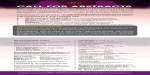
Vilole Images Productions is glad to invite filmmakers to submit documentaries, short films and full-length films to the Shungu Namutitima International Film Festival of Zambia (SHUNAFFoZ). The festival will run from Friday 21st to Saturday 29th August 2015 in Livingstone and from Wednesday 19th to Saturday 22nd August 2015 in Kabwe. Deadline for submissions is Monday 22nd June 2015. Celebrating the 10th Anniversary, under the theme ''DARE TO DREAM, MAKE A DIFFERENCE'', the festival will accept Zambian and African films in competition. However, films from all over the world are for screenings ONLY. the 10th Anniversary will introduce another special award - the Artists Rights Award.
Read more
SHUNGU NAMUTITIMA INTERNATIONAL FILM FESTIVAL (SHUNAFFoZ) 2015
Vilole Images Productions (VIP) is glad to invite filmmakers to submit docuentaries, short films and full-length feature films to the Shungu Namutitima (Smoke That Thunders) International Film Festival of Zambia (SHUNAFFoZ). The festival will run from Friday 21st to Saturday 29th August 2015 in LIVINGSTONE and from Wednesday 19th to Saturday 22nd August 2015 in KABWE. Deadline for submissions is Monday 22nd June 2015. Celebrating the 10th Anniversary, under the theme ''DARE TO DREAM, MAKE A DIFFERENCE'', the festival will accept Zambian and African films for competition. However, films from all over the world are for screening only. The 10th anniversary will introduce another special award - the Artists Rights Award
Read moreFeatured Video

Visitors Counter


|
Today | 128 |

|
Yesterday | 1858 |

|
This week | 1986 |

|
Last week | 10247 |

|
This month | 5326 |

|
Last month | 44630 |

|
All days | 626767 |
Your IP: 54.173.35.129
,
Today: Dec 04, 2017