SHUNAFFoZ (Festival) 2012
- 1
- 2




How a Zambian Editor Cuts a Documentary in Seven Days
A documentary can take months to research and shoot, yet the edit may arrive with a deadline measured in days. For a Zambian editor, that pressure often means making fast decisions without losing the texture of real lives, local speech or the political meaning beneath an interview.
In this conversation, a Lusaka-based editor explains how a one-week documentary edit is organised, what happens when footage arrives from several locations, and why sound, colour and clear communication matter as much as speed. The lessons will interest Australian producers working across Sydney, Melbourne, Brisbane and regional communities.
The Clock Starts Before the First Cut
“People imagine the week begins when I open the editing software,” the editor says. “It actually begins when the producer tells me what the film is trying to say.” A strong brief identifies the central character, the intended audience, the running time and any legal or cultural sensitivities. Without those decisions, an editor can spend hours polishing scenes that will later be removed.
The first practical step is media management. Footage is copied to at least two drives, cards are labelled, and files are arranged by shooting day, location and contributor. Interviews are separated from observational material, archive clips and music. On a compact production supported by Vilole Images Productions, this preparation can determine whether the seven-day schedule remains realistic.
The editor also asks for transcripts, release forms, pronunciation notes and a list of names. In Zambia, a film may move between English, Bemba, Nyanja or another local language. Translation is not a decorative subtitle task; it affects the rhythm of the story and the meaning of a pause, joke or unfinished sentence.
What Makes a Seven-Day Timeline Possible
The editor divides the week into clear stages. Day one is for viewing and logging. Day two creates a rough structure. Days three and four shape the narrative, while day five focuses on sound and picture refinement. Day six is reserved for feedback, and day seven covers captions, exports and delivery checks.
“Speed comes from reducing uncertainty,” the editor explains. Instead of watching every clip repeatedly, the team marks strong quotes, emotional turns, useful cutaways and technical problems during the first viewing. A paper edit or digital string-out can reveal the story before the timeline becomes crowded with material.
A short daily meeting prevents the producer from waiting until the final afternoon to raise concerns. This is especially valuable when contributors are in different time zones. An Australian broadcaster or festival team may be starting its day while the Zambian crew is finishing theirs, so written notes and named versions keep the handover precise.
Finding Story in the Rushes
A documentary is rarely hiding in the longest interview. It may be found in a subject washing work clothes, a child listening outside a meeting, or the silence after a difficult answer. The editor looks for actions that allow the viewer to experience the subject’s world rather than simply hear an explanation.
The interview is treated as a map, not a script. One sentence may establish the problem, another may reveal its personal cost, and a third may point towards change. Those sections can be separated and connected with observational footage, provided the edit remains honest about time and place. A dramatic sequence should never suggest that an event happened in a different order merely to create suspense.
Australian viewers are familiar with concise factual storytelling through ABC and SBS, but a Zambian documentary may have a different pace and social texture. The editor does not flatten that difference to imitate a metropolitan television format. Instead, the cut gives context where needed and trusts images, gestures and local voices to carry their weight.
Sound Carries the Evidence
Poor sound can make a powerful story feel distant. The editor listens for traffic, generators, wind, room echo and overlapping voices before deciding how much noise to remove. Cleaning a recording too aggressively can create unnatural gaps, while leaving every disturbance untouched can make dialogue difficult to follow.
Room tone becomes a quiet form of continuity. If one interview answer was recorded near a busy road and the next was captured in a quiet office, a small layer of consistent ambience can help the cuts feel intentional. Natural sound from markets, classrooms, workshops and streets can also locate the audience more effectively than a narration-heavy soundtrack.
Music is chosen late in the process. The editor wants the emotional shape to work without it before adding a score. This protects the film from manipulation and makes it easier to identify where a pause, breath or piece of location sound is doing more honest work than a sweeping musical cue.
Colour, Culture and Place
Picture finishing begins with technical correction: matching exposure, balancing white levels and recovering detail in highlights and shadows. After that, the grade can establish a visual mood. A rural morning, a Lusaka interior and a hot afternoon road may require different treatment, yet the film should still feel like one coherent work.
The editor refers to VIP’s colour grading advice when discussing African skies and skin tones. Colour choices must respect the people on screen. Making an image excessively orange to suggest heat, or crushing shadows to create drama, can turn a real location into a stereotype.
For an Australian release, technical delivery also matters. A festival in Melbourne may request a particular codec, while a community screening in regional Queensland may rely on a standard media file and a reliable laptop. The editor checks subtitles on a television-sized display, reviews spelling of place names and tests the final export rather than trusting the timeline alone.
Preparing a Cut for Australian Audiences
The editor sees international viewers as partners in interpretation. A Zambian film should not be overloaded with explanations for Australian audiences, yet unfamiliar institutions, currencies or geographic references may need a brief caption. The goal is useful orientation, not a lecture placed over every image.
Market expectations vary. A film aimed at SBS may need a broadcast-ready package and carefully reviewed captions. A festival submission can tolerate a more distinctive pace, while a school or community screening may require accessible subtitles and a clear discussion guide. Producers should decide the primary pathway before the final day because duration, rights and technical specifications can change the delivery plan.
The Australian calendar also affects communication. A deadline around the summer holiday period, the Melbourne International Film Festival season or the end-of-financial-year rush can make approvals slower. The editor recommends confirming who has final sign-off and keeping one consolidated note document, rather than responding to scattered messages across email and phone chats.
What the Week Teaches
The pressure of a short edit reveals whether the film has a genuine centre. If every scene seems essential, the story may still be searching for its focus. The editor looks for the question that connects the opening image to the final moment, then removes anything that repeats information without deepening character or place.
There is also an ethical lesson in speed. A rushed schedule is no excuse to misrepresent a contributor, ignore a translation issue or publish an identifiable person without proper consent. The editor keeps a record of disputed translations, reconstructed sequences and archive permissions so that the producer can make informed decisions.
Distribution can lead to unexpected editorial environments, from festival platforms to entertainment websites and audience-facing news pages. Even a short promotional item about cashback bonus coverage reminds producers that surrounding copy, headlines and placement influence how viewers approach screen content. A documentary needs an accurate frame wherever it appears.
The editor’s final advice is simple: “Make the big decisions early, protect the truth in the material, and leave time to watch the finished film away from the edit suite.” A seven-day cut is possible when preparation, trust and communication carry as much weight as technical skill.
Explore the work, services and film activities of Vilole Images Productions, and follow its festival and production updates for opportunities to engage with Zambian cinema. Producers, editors and festival programmers can use these practical principles to build faster workflows while preserving the human detail that gives documentary filmmaking its power.
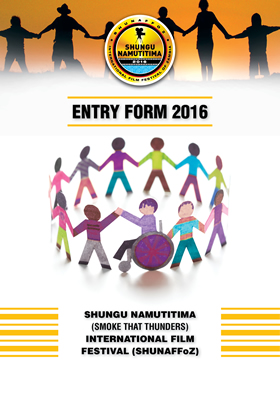
SHUNAFFOZ 2016 Entry Form
Featured Articles
- 1
- 2


SHUNGU NAMUTITIMA INTERNATIONAL FILM FESTIVAL (SHUNAFFoZ) 2015
Vilole Images Productions is glad to invite filmmakers to submit documentaries, short films and full-length films to the Shungu Namutitima International Film Festival of Zambia (SHUNAFFoZ). The festival will run from Friday 21st to Saturday 29th August 2015 in Livingstone and from Wednesday 19th to Saturday 22nd August 2015 in Kabwe. Deadline for submissions is Monday 22nd June 2015. Celebrating the 10th Anniversary, under the theme ''DARE TO DREAM, MAKE A DIFFERENCE'', the festival will accept Zambian and African films in competition. However, films from all over the world are for screenings ONLY. the 10th Anniversary will introduce another special award - the Artists Rights Award.
Read more
SHUNGU NAMUTITIMA INTERNATIONAL FILM FESTIVAL (SHUNAFFoZ) 2015
Vilole Images Productions (VIP) is glad to invite filmmakers to submit docuentaries, short films and full-length feature films to the Shungu Namutitima (Smoke That Thunders) International Film Festival of Zambia (SHUNAFFoZ). The festival will run from Friday 21st to Saturday 29th August 2015 in LIVINGSTONE and from Wednesday 19th to Saturday 22nd August 2015 in KABWE. Deadline for submissions is Monday 22nd June 2015. Celebrating the 10th Anniversary, under the theme ''DARE TO DREAM, MAKE A DIFFERENCE'', the festival will accept Zambian and African films for competition. However, films from all over the world are for screening only. The 10th anniversary will introduce another special award - the Artists Rights Award
Read moreFeatured Video
Visitors Counter


|
Today | 128 |

|
Yesterday | 1858 |

|
This week | 1986 |

|
Last week | 10247 |

|
This month | 5326 |

|
Last month | 44630 |

|
All days | 626767 |
Your IP: 54.173.35.129
,
Today: Dec 04, 2017