SHUNAFFoZ (Festival) 2012
- 1
- 2


How Zambian Filmmakers Can Use Drone Shots Safely and Legally
Drone footage can give a Zambian film a new visual scale, from crowded streets to sweeping landscapes. It also creates responsibilities beyond the camera: aircraft registration, airspace access, landowner consent, crew safety, privacy, and insurance. The strongest productions treat aerial capture as a coordinated technical process rather than an improvised extra.
Aerial sequences can work with an entry-level aircraft, but inexpensive hardware does not remove legal duties. The remote pilot, aircraft, operating location, purpose of the flight, and people exposed to the operation all affect what approvals are needed. A clear plan protects the crew, the community, the footage, and the production schedule.
As audiences and distributors follow rising Zambian cinema, directors are finding new routes into international markets. Australian commissions and co-productions often value drone imagery for travel, wildlife, sport, and social documentaries, yet they also expect documented safety controls and transparent permissions. That makes compliance a creative advantage as well as an administrative necessity.
Start with permissions before the aircraft is unpacked
Begin with Zambia’s Civil Aviation Authority and the rules applicable to the aircraft’s weight, pilot status, and intended operation. Confirm any remote pilot credentials, aircraft identification, operating approval, or airspace authorisation required for the location. Treat guidance from a drone seller or an online map as information, not permission.
Drone permission does not replace filming consent. A producer may also need approval from a council, national park, private landowner, heritage authority, airport operator, or the organisation controlling a public venue. Check restrictions around government, defence, utility, and communications installations before announcing a location or calling a crew.
Create a written flight brief naming the pilot in command, aircraft, operator, site boundaries, people nearby, approved activities, emergency contacts, and abort conditions. Attach permits, insurance certificates, equipment inventories, and weather notes. When production spans regions, ask VIP production services to coordinate local producers who understand the approval chain and can verify current requirements.
Account for Zambian weather, terrain and communities
Zambian conditions can change quickly. Seasonal rain, heat, dust, and dry-season gusts affect small aircraft, battery performance, and the stability of a camera gimbal. Survey the site at the planned flight time, not only at sunrise, and set conservative wind, visibility, and rainfall limits using the aircraft manual and the pilot’s judgement.
Remote locations need practical resilience: reliable communications, charged batteries, a safe charging area, first aid, fire protection, recovery equipment, and a plan for medical evacuation. A clear lost-link, flyaway, injury, or severe-weather procedure should be rehearsed. Avoid placing the aircraft above people, roads, animals, temporary structures, or power lines.
Community consultation is both a courtesy and a safety control. Explain the purpose and duration of filming to residents, request consent where appropriate, and avoid disrupting farming, fishing, ceremonies, worship, schools, or wildlife. In Lusaka, verify permission for council-managed roads, public buildings, and event sites. Avoid restricted airspace around airports, including Kenneth Kaunda International Airport, unless clearance is confirmed. Parks and conservancies such as Kafue or South Luangwa may impose additional wildlife and environmental restrictions.
Work confidently with Australian crews and authorities
Australia uses the Civil Aviation Safety Authority’s Drone Rules. Registration and operator obligations vary by aircraft weight and commercial use, while higher-risk work may require an appropriately licensed remote pilot or an aviation reference from an authorised body. A Zambian certificate or visa does not automatically authorise flight in Australia. Check CASA’s current rules and any state or territory requirements before bringing the aircraft.
Location matters in Australian cities. Many flight paths around Sydney’s Kingsford Smith Airport and other controlled aerodromes require authorisation. Central Melbourne combines high-rise wind effects, trees, crowds, and narrow safe corridors, with council rules applying on some public land. Brisbane productions should check aerodrome, park, stadium, and event restrictions rather than assuming an open space is clear.
For the Australian market, local aviation support is often easier to source than imported equipment. Insurers, fixers, production managers, and accredited drone operators in Sydney, Melbourne, Brisbane, or Perth can provide site knowledge and documentation. Temporary imports of aircraft, lenses, high-value cameras, and lithium batteries may require customs clearance, a broker, and correct dangerous-goods handling. Spare batteries should be protected and carried in passenger cabin baggage where the airline permits.
Use a disciplined flight and production checklist
A short checklist prevents casual decisions from becoming legal or safety failures. Divide responsibility between the remote pilot, director, camera operator, and production coordinator.
Before departure
- Verify registration labels, operator documents, insurance, permits, and site contacts.
- Inspect the airframe, propellers, gimbal, batteries, controller link, and return-to-home settings.
- Review airspace, weather, people, obstacles, escape routes, and emergency procedures.
- Agree on the flight plan, visual cues, communication method, and loss-of-signal action.
During the operation
- Keep visual line of sight and the aircraft within the permitted operating area.
- Maintain separation from people, roads, animals, buildings, and other aircraft.
- Call each take, confirm the pilot’s ready signal, and record the actual flight time.
- Stop for unexpected crowds, weather changes, interference, damage, or loss of confidence.
Keep the signed briefing and recorded flights with production paperwork. If conditions change, the pilot in command should be able to end the flight without debate. A director can request another angle; nobody should pressure the pilot to continue an unsafe take.
Protect privacy, property and cultural trust
Aerial cameras can capture private spaces, conversations, vehicles, and daily routines from angles that ground crews cannot. Establish where filming is permitted and where it is not, and treat recognizable faces or private information with care. Use consent releases, avoid intrusive flight paths, and delete unused or sensitive footage according to the production’s data policy.
Secure the aircraft, controller, memory cards, and editing files. The sky offers no automatic privacy: drone footage can capture a neighbour’s home, reveal a property layout, or document activity outside the film’s agreed scope. Limit distribution to crew and partners who need access, and use encrypted transfers where sensitive material is involved.
Respect is also part of legal risk management. Obtain permission before filming private land, and be especially careful around cultural events, vulnerable communities, and people who may not understand a drone’s presence. Explain the aircraft, its purpose, and the fact that recording is under way. Clear communication prevents conflict and preserves the credibility of the final production.
Make safety part of the finished story
Planning an aerial sequence during pre-production can improve the film itself. Scene designers can identify angles before travel, production managers can budget permits and aviation support, and the director can plan a conventional backup shot. A rehearsed flight also reduces setup time, battery stress, and the temptation to rush a difficult take.
Build a small safety record into the shoot: registration, approvals, risk assessment, weather decision, crew briefing, incident notes, and final flight log. Share that record with insurers, commissioners, festival programmers, and co-production partners when needed. It demonstrates professionalism to Australian buyers and gives local teams a clear template for future work.
Vilole Images Productions can help local crews coordinate aerial planning, production partners, and festival submissions around major shoots. Contact the VIP team before equipment is booked to arrange local permissions, aviation advice, production support, and a site-specific safety plan. A clear pre-flight process lets the crew focus on the story while protecting its people, partners, and reputation.
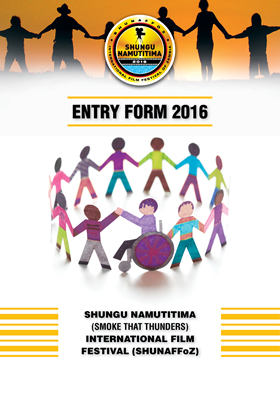
SHUNAFFOZ 2016 Entry Form
Featured Articles
- 1
- 2

SHUNGU NAMUTITIMA INTERNATIONAL FILM FESTIVAL (SHUNAFFoZ) 2015
Vilole Images Productions is glad to invite filmmakers to submit documentaries, short films and full-length films to the Shungu Namutitima International Film Festival of Zambia (SHUNAFFoZ). The festival will run from Friday 21st to Saturday 29th August 2015 in Livingstone and from Wednesday 19th to Saturday 22nd August 2015 in Kabwe. Deadline for submissions is Monday 22nd June 2015. Celebrating the 10th Anniversary, under the theme ''DARE TO DREAM, MAKE A DIFFERENCE'', the festival will accept Zambian and African films in competition. However, films from all over the world are for screenings ONLY. the 10th Anniversary will introduce another special award - the Artists Rights Award.
Read more
SHUNGU NAMUTITIMA INTERNATIONAL FILM FESTIVAL (SHUNAFFoZ) 2015
Vilole Images Productions (VIP) is glad to invite filmmakers to submit docuentaries, short films and full-length feature films to the Shungu Namutitima (Smoke That Thunders) International Film Festival of Zambia (SHUNAFFoZ). The festival will run from Friday 21st to Saturday 29th August 2015 in LIVINGSTONE and from Wednesday 19th to Saturday 22nd August 2015 in KABWE. Deadline for submissions is Monday 22nd June 2015. Celebrating the 10th Anniversary, under the theme ''DARE TO DREAM, MAKE A DIFFERENCE'', the festival will accept Zambian and African films for competition. However, films from all over the world are for screening only. The 10th anniversary will introduce another special award - the Artists Rights Award
Read moreFeatured Video
Visitors Counter


|
Today | 128 |

|
Yesterday | 1858 |

|
This week | 1986 |

|
Last week | 10247 |

|
This month | 5326 |

|
Last month | 44630 |

|
All days | 626767 |
Your IP: 54.173.35.129
,
Today: Dec 04, 2017