SHUNAFFoZ (Festival) 2012
- 1
- 2



How to Shoot Night Scenes in Zambia on a Small Budget
Night scenes can look cinematic without a cinema camera, a generator, or a truck full of lighting equipment. In Zambia, the strongest results often come from careful planning: choosing a location with useful practical lights, protecting the camera from dust, and shaping small sources instead of trying to brighten an entire street.
Learning how to shoot a night scene without expensive equipment in Zambia is also useful for Australian filmmakers working with lean crews. Whether the project is set in Lusaka, Kitwe, Sydney, or a regional town, the core principle is the same: make darkness serve the story. A controlled patch of light can feel richer than a flat, brightly exposed image.
Choose The Night You Can Control
Begin by visiting the location after dark, not just during a daytime recce. Look for shopfronts, security lights, verandas, streetlamps, vehicle headlights, and windows that can provide believable motivation for the scene. A Lusaka compound may offer warm exterior bulbs and deep shadows, while a city street in Melbourne or Sydney may have mixed LED, fluorescent, and sodium-coloured sources.
Check how the location changes during the planned shooting hour. Traffic, music, generators, barking dogs, and pedestrians can affect both continuity and sound. In Zambia, load shedding may alter the available light without warning, so record the location on a phone and note which fixtures are essential to the scene. In Australia, confirm whether filming requires council permission, especially on public footpaths, beaches, or busy commercial streets.
Schedule the scene around the remaining daylight when possible. The short period after sunset, often called blue hour, gives the sky colour while practical lights begin to glow. It is usually easier to expose than total darkness and can make a modest location look expansive.
Build Light From What You Have
A battery LED panel, work light, or household lamp can become a convincing key light when softened. Place a white bedsheet, shower curtain, baking paper rated for heat, or a piece of translucent fabric between the source and the actor. Keep flammable materials away from hot lamps, and never cover a fixture that is not designed for diffusion.
A cheap reflector can lift shadows on the opposite side of the face. Use white foam board, cardboard covered with foil, a pale wall, or even a clean car bonnet. Black fabric or a dark jacket can do the reverse by absorbing spill and adding contrast. In a small room, moving the actor closer to a wall may create more shape than adding another lamp.
Practical lights should appear to motivate the lighting you add. If a character sits beside a warm table lamp, position the hidden LED near that direction and balance its intensity to match. A cool phone screen, a greenish shop sign, or a red tail light can provide colour contrast without requiring expensive RGB equipment.
Expose For Faces And Atmosphere
Modern mirrorless cameras and many smartphones perform well in low light, but pushing the image too far can produce noisy shadows and muddy colour. Set exposure with the actor’s face as the priority. Allow parts of the background to disappear if the face, gesture, and important story details remain clear.
Shoot a short test before recording the full scene. Examine skin tones, focus, noise, and highlights on a larger screen if possible. A phone display can make an image seem brighter than it really is, while a small camera monitor may hide colour shifts from different lamps. Keep shutter speed consistent with the frame rate, then adjust aperture, ISO, and light placement in that order where practical.
Do not make every night scene pitch black. A small amount of ambient exposure can reveal trees, walls, or distant traffic and help the audience understand the geography. Underexposure should feel intentional rather than accidental. If the project may be screened through the VIP production network, preserve detail carefully so the image survives different projectors, televisions, and online compression.
Shape The Frame With Darkness
Composition can make a low-budget night scene feel deliberate. Place the brightest area where the viewer should look, then let surrounding darkness simplify the frame. A doorway, window, fence, tree, or parked vehicle can hide equipment and create layers between foreground, subject, and background.
Avoid placing the actor directly beneath a harsh overhead bulb unless that unattractive quality is part of the story. Move the performer a short distance away, turn their face toward a softer source, or block part of the lamp with a flag. A black cloth, piece of cardboard, or the side of a building can stop unwanted spill.
For exterior scenes, keep an eye on reflections. Wet ground, glass, polished cars, and metal roofs can create attractive highlights, but they may also reveal crew members and lights. Dust in Lusaka or dry roadside areas can catch a beam beautifully, although it should not be deliberately disturbed near people with breathing sensitivities or camera equipment.
Record Clean Sound At Night
Viewers will forgive a dark image sooner than unusable dialogue. Use a lavalier microphone, a compact shotgun microphone, or a second phone placed close to the actors as a backup recorder. A phone in airplane mode can capture reference audio if it is positioned safely and hidden from the frame.
Listen for night-specific problems before the take. In many Zambian locations, generators, distant music, insects, and passing minibuses may create a constant bed of sound. Australian locations have their own challenges, including traffic, late-night venue noise, wind on exposed beaches, and aircraft around major cities such as Brisbane and Sydney.
Record at least thirty seconds of room tone at each setup. Ask performers to repeat key lines if a vehicle or generator interrupts them. Keep a note of the sound files, take numbers, and camera clips so the editor can find usable material quickly during post-production.
Prepare For Safety And Continuity
Night filming needs a clear movement plan. Walk the route with a torch before bringing in the cast, mark cables with tape, and keep one crew member responsible for watching trip hazards. Carry spare batteries, charged power banks, and a headlamp with a red-light mode where possible. Never rely on a phone torch as the only safety light.
Discuss permission and privacy with property owners, guards, neighbours, and anyone who may enter the frame. A friendly explanation can prevent conflict, particularly when a small crew is working near homes. In Australia, respect local filming rules and quiet-hour expectations; in Zambia, agree in advance about access, security, electricity, and any payment for a private location.
Continuity matters even more when the surroundings are dark. Photograph the position of lamps, stands, cars, furniture, and actors. Note the camera height, lens, exposure, and colour temperature. If the power fails, pause rather than improvising a different look unless that change belongs in the story.
Assemble A Low-Cost Night Kit
A compact kit is easier to protect, transport, and operate than a large package. The goal is to carry a few adaptable tools rather than duplicate expensive equipment. A small crew can produce polished work when every item has a clear purpose.
For documentary, short-film, or feature production, these practical additions offer strong value:
- Two rechargeable LED lights with adjustable brightness and colour temperature
- White foam board, black fabric, clamps, tape, and a lightweight reflector
- Power banks, spare camera batteries, memory cards, and a safe charging plan
- A lavalier or shotgun microphone with headphones for monitoring
- A torch, first-aid supplies, insect repellent, and weather protection for the crew
Keep the kit consistent between locations and record a simple lighting diagram after each successful setup. Organisations such as Vilole Images Productions connect production practice with wider film development and exhibition, as shown in its 2024 annual report. Treat each small production as a chance to build a repeatable workflow, not just complete one difficult night shoot.
Finish For Different Audiences
Colour correction should preserve the mood established on set. Balance skin tones first, then control the brightest practicals and lift only the shadows that contain useful information. Excessive noise reduction can remove texture from faces and walls, so apply it carefully and add a small amount of grain if the image looks unnaturally smooth.
Check the edit on more than one screen. A dark scene that works on a bright laptop may become unreadable on a television in a dim Australian living room. Streaming platforms, festival projectors, mobile phones, and community screenings can all display black levels differently. Export a short test and watch it in the conditions closest to the intended audience.
A strong night sequence also depends on pacing. Hold on a face when the audience needs emotion, cut to a practical light when the location needs explanation, and use sound bridges to connect shots made in different parts of the night. With thoughtful exposure, motivated light, and disciplined sound, affordable equipment can support a professional film language.
Plan the recce, test the light, protect the crew, and record a short scene before attempting a full night shoot. Build the setup around the resources already available in Zambia, then refine it through each production. Submit finished work to suitable festivals and screenings, and use every completed scene to strengthen the local filmmaking community.
SHUNAFFOZ 2016 Entry Form

Featured Articles
- 1
- 2


SHUNGU NAMUTITIMA INTERNATIONAL FILM FESTIVAL (SHUNAFFoZ) 2015
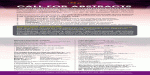
Vilole Images Productions is glad to invite filmmakers to submit documentaries, short films and full-length films to the Shungu Namutitima International Film Festival of Zambia (SHUNAFFoZ). The festival will run from Friday 21st to Saturday 29th August 2015 in Livingstone and from Wednesday 19th to Saturday 22nd August 2015 in Kabwe. Deadline for submissions is Monday 22nd June 2015. Celebrating the 10th Anniversary, under the theme ''DARE TO DREAM, MAKE A DIFFERENCE'', the festival will accept Zambian and African films in competition. However, films from all over the world are for screenings ONLY. the 10th Anniversary will introduce another special award - the Artists Rights Award.
Read more
SHUNGU NAMUTITIMA INTERNATIONAL FILM FESTIVAL (SHUNAFFoZ) 2015
Vilole Images Productions (VIP) is glad to invite filmmakers to submit docuentaries, short films and full-length feature films to the Shungu Namutitima (Smoke That Thunders) International Film Festival of Zambia (SHUNAFFoZ). The festival will run from Friday 21st to Saturday 29th August 2015 in LIVINGSTONE and from Wednesday 19th to Saturday 22nd August 2015 in KABWE. Deadline for submissions is Monday 22nd June 2015. Celebrating the 10th Anniversary, under the theme ''DARE TO DREAM, MAKE A DIFFERENCE'', the festival will accept Zambian and African films for competition. However, films from all over the world are for screening only. The 10th anniversary will introduce another special award - the Artists Rights Award
Read moreFeatured Video
Visitors Counter


|
Today | 128 |

|
Yesterday | 1858 |

|
This week | 1986 |

|
Last week | 10247 |

|
This month | 5326 |

|
Last month | 44630 |

|
All days | 626767 |
Your IP: 54.173.35.129
,
Today: Dec 04, 2017