SHUNAFFoZ (Festival) 2012
- 1
- 2




Filming in Zambia’s national parks: permits and permissions
A striking wildlife sequence still begins on paper, not on location. A producer needs approval to enter the habitat, film its subjects, use vehicles and drones, interview people, and bring production equipment into Zambia. Treating these as one general filming permit is a fast route to delayed travel, refused access or costly reshoots.
National parks such as Kafue, Lower Zambezi, South Luangwa and Liuwa Plain have different landscapes, operating arrangements and community relationships. The Department of National Parks and Wildlife (DPNW) works alongside Zambia Wildlife Authority (ZAWA), while concessionaires may control particular lodges or tourism activities. Local councils, traditional leaders and site managers can also hold relevant authority.
For an Australian team, that layered structure deserves extra attention. Producers based in Sydney or Melbourne may draw on experienced camera crews, AFTRS alumni and Australian insurance brokers, yet no Australian state, territory or aviation approval grants access to a Zambian park. A local line producer should coordinate the production brief and the correct Zambian approvals.
Begin with a permit plan identifying every protected area, access route, species, interview, drone and equipment item. Confirm current fees, lead times and insurance requirements directly with the relevant authorities. This framework reduces uncertainty, but each shoot still needs location-specific advice before deposits or travel are committed.
Map the approval chain
Commercial filming, stills photography and wildlife research can trigger different conditions. DPNW normally coordinates protected-area access and filming permission; ZAWA becomes relevant where work affects wildlife or involves research. A lodge or camp inside a concession may require separate permission even after the park approves the shoot.
| Approval | Likely authority or rights holder | Key production issue |
|---|---|---|
| Protected-area access and filming | DPNW and park management | Dates, locations, access routes, crew list, fees and filming conditions |
| Wildlife research or interaction | ZAWA and DPNW | Species, handling, sound playback, observation or sample activities |
| Concession and private land | Concessionaire or landowner | Exclusive tourism uses, lodge areas, power, vehicles and room access |
| Local community and interviews | Council, traditional leader and participants | Land entry, filming consent, attribution and community benefits |
| Drone operation | Civil Aviation Authority of Zambia, DPNW and local authority | Aircraft, pilot, airspace, launch points and park restrictions |
| Immigration and customs | Immigration authorities and Zambia Revenue Authority | Work authorisation, passports, equipment admission and temporary-import bond |
| Insurance and safety | Insurer and relevant authorities | Public liability, workers’ cover, vehicles and risk controls |
Start with the protected-area application, then attach a concise production pack: a synopsis, mapped locations, access dates, crew list, vehicle details, drone plan and insurance certificate. Identify alternative sites and dates because park staff may need to close an area for safety, habitat protection or operational reasons. Seek written approval rather than relying on an email from a driver or guide.
Read the current film policy update before applying, and confirm whether a commercial production needs ministerial or agency clearance in addition to park permission. Local council consent, traditional-leader approval and agreed community benefits may sit alongside the protected-area permit. A location release never replaces any of those public or customary approvals.
Plan wildlife and filming conditions
Build the wildlife plan into the script rather than treating it as a separate safety exercise. List each species, behaviour and habitat involved, noting any night work, playback, feed, approach distance or vehicle movement. Explain how the crew will avoid separating animals, damaging vegetation or contaminating water sources.
Conditions are likely to prohibit baiting, calls or recorded animal sounds used to provoke a response, close approaches, off-road driving and drone use near wildlife. Confirm trigger distances and vehicle speed with rangers, then brief every operator. If an animal changes its behaviour because of the shoot, the crew should stop and report it through the agreed park contact.
Australian Civil Aviation Safety Authority registration or operator accreditation does not authorise flight in Zambia. Seek approval from the Civil Aviation Authority of Zambia and the park, then obtain any local airspace or landing-site permission. Provide aircraft weight, pilot credentials, battery arrangements, flight paths and a recovery plan because aviation rules and park restrictions may both apply.
Interviews require their own permissions and releases. Identify the council, chief, landowner or community organisation controlling the location, document consent to film, and secure individual releases from speakers. Where traditional knowledge, ceremonies or sensitive cultural practices appear, agree on attribution, access limits and benefit sharing before the camera arrives.
Schedule vehicles, crew and access
Build the schedule around real access conditions. Confirm park opening days, road status, lodge operations and vehicle permits for each route; the rainy season can make some tracks impassable and alter wildlife viewing times. Maintain alternative dates and locations, especially for Kafue and South Luangwa itineraries, and avoid promising a scene that depends on an unrestricted night drive.
Field logistics often determine the final shooting method. Most off-road wildlife work needs reliable four-wheel-drive vehicles, recovery gear, spare tyres, fuel planning and satellite communication, while a camera truck may exceed a lodge’s power or load capacity. Confirm drone battery handling, media storage, charging and safe overnight parking before equipment leaves the production base.
Australian producers can direct a shoot from Sydney or Melbourne, but local knowledge should shape the daily plan. Use a Zambian line producer, fixers, drivers, guides, technicians and local suppliers where suitable, with clear contracts and tax advice. Lusaka is a practical central base; teams working southern itineraries may use Livingstone. Local crew can also flag community events and access changes that a remote schedule misses.
Resolve customs, immigration and insurance
Australian crews often move cameras, lenses, lighting and drones under a temporary-export system. An ATA Carnet may ease re-entry in many countries, but crews must not assume Zambia accepts it without verification. Give Zambia Revenue Authority a serialised equipment list, commercial values, supplier invoices and intended return date, then obtain the required temporary-import bond or admission document before freight arrives.
Australian crew members normally need appropriate Zambian immigration permission, work authorisation and a visa or residence basis; tourist entry is not automatically a production work right. Zambia-based cast, contractors and suppliers may need local contracts, tax registration or labour compliance, depending on the engagement.
Insurance should match the activity, not merely the production’s headline budget. Public liability cover often needs to name the relevant client or park authority, while workers’ compensation, vehicle cover, drone liability and emergency medical evacuation remain separate concerns. Insurers should receive the permit conditions and risk plan so exclusions do not emerge after an incident.
Keep a permit dossier with approvals, releases, customs papers, aircraft records and incident notes. Transfer the same organised records into picture and sound post-production, including any conditions on music, images or sensitive wildlife locations. VIP’s post-production services show how a rough cut becomes a final deliverable, which is a strong reason to preserve that evidence from day one.
Move from clearance to completion
Production does not end when the cameras are packed. Meet any reporting requirements for park access, wildlife observations, community commitments or equipment movement, and archive final files in a secure location. Avoid publishing precise coordinates for vulnerable species or culturally sensitive places unless every relevant authority has approved the disclosure.
Completed documentaries, shorts and features can enter the festival pathway. Read the SHUNAFFoZ submission guidelines for the 2026 documentary route, check current deadlines and assemble the required materials while location permissions and releases are still easy to verify.
Contact Vilole Images Productions with a one-page brief listing protected areas, dates, wildlife subjects, interviews, drone plans, crew nationality and equipment values. Ask VIP to review the permit path and local-production needs, then incorporate community and wildlife conditions into the schedule before travel is booked.
SHUNAFFOZ 2016 Entry Form

Featured Articles
- 1
- 2

SHUNGU NAMUTITIMA INTERNATIONAL FILM FESTIVAL (SHUNAFFoZ) 2015
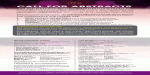
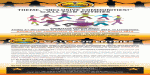
Vilole Images Productions is glad to invite filmmakers to submit documentaries, short films and full-length films to the Shungu Namutitima International Film Festival of Zambia (SHUNAFFoZ). The festival will run from Friday 21st to Saturday 29th August 2015 in Livingstone and from Wednesday 19th to Saturday 22nd August 2015 in Kabwe. Deadline for submissions is Monday 22nd June 2015. Celebrating the 10th Anniversary, under the theme ''DARE TO DREAM, MAKE A DIFFERENCE'', the festival will accept Zambian and African films in competition. However, films from all over the world are for screenings ONLY. the 10th Anniversary will introduce another special award - the Artists Rights Award.
Read more
SHUNGU NAMUTITIMA INTERNATIONAL FILM FESTIVAL (SHUNAFFoZ) 2015
Vilole Images Productions (VIP) is glad to invite filmmakers to submit docuentaries, short films and full-length feature films to the Shungu Namutitima (Smoke That Thunders) International Film Festival of Zambia (SHUNAFFoZ). The festival will run from Friday 21st to Saturday 29th August 2015 in LIVINGSTONE and from Wednesday 19th to Saturday 22nd August 2015 in KABWE. Deadline for submissions is Monday 22nd June 2015. Celebrating the 10th Anniversary, under the theme ''DARE TO DREAM, MAKE A DIFFERENCE'', the festival will accept Zambian and African films for competition. However, films from all over the world are for screening only. The 10th anniversary will introduce another special award - the Artists Rights Award
Read moreFeatured Video
Visitors Counter


|
Today | 128 |

|
Yesterday | 1858 |

|
This week | 1986 |

|
Last week | 10247 |

|
This month | 5326 |

|
Last month | 44630 |

|
All days | 626767 |
Your IP: 54.173.35.129
,
Today: Dec 04, 2017