SHUNAFFoZ (Festival) 2012
- 1
- 2






Preparedness for broken equipment on set
Equipment failures rarely arrive with a warning. A camera battery may swell after a long day in the heat, a lens mount may be bent by a careless case move, or a sound cable may disappear into a busy location. The practical question of how to handle broken equipment on set is answered by preparation, clear authority and spare options, rather than by improvisation after the schedule has already slipped.
Australian crews work in varied conditions. Melbourne and Adelaide can deliver intense summer heat, regional NSW roads can fill cases with dust, and Brisbane’s humidity can encourage condensation on cool gear. Sydney crews also contend with dense traffic, tight studio access and expensive call-out repairs. A useful contingency plan therefore considers climate, transport, power supplies and local technicians instead of copying a generic studio checklist.
That discipline supports productions moving between locations and teams. Vilole Images Productions describes a full creative cycle spanning development, pre-production, production and post-production, which means technical resilience belongs in the earliest planning conversations. Australian producers working with international partners face the added variables of unfamiliar rental inventories, imported spare parts and different flight schedules. Preparing the kit and the people around it protects the story from first setup through final delivery.
Plan for failure before cameras roll
Write a short failure plan with the director, producer, cinematographer, sound lead and production manager. Identify which faults would stop the shoot, which can be worked around, and who may approve a replacement or schedule change. Keep it with the call sheet and brief it at the production meeting, before cast and crew are waiting.
Use a simple escalation order: the operator checks the immediate cause, the department head calls the technical manager or supplier, and the producer assesses time and cost. Agree on radio channels and hand signals so people do not dismantle one device at once. Log the time, symptoms and actions; a clear timeline helps the supplier diagnose the fault and insurers understand the event.
That continuity is central to Vilole Images Productions, whose service range covers the stages where failure can affect a project. A feature may depend on one camera body, while a commercial shoot can lose a morning when a lighting board fails. Treating redundancy as creative planning gives the team options without turning every minor fault into a crisis.
Pack a tested redundancy kit
The backup kit should contain substitutes, not random extras. Test each item before it leaves the equipment room and record compatibility with the main system. Keep it in a separate case where possible, so a dropped original does not take the reserve with it. Before the shoot, cover these essentials:
- A spare camera body, or a confirmed shared body from the rental house
- Charged batteries, the correct power supply and tested data cards
- Spare cables, adapters, fuses, gaffer tape and lens-cleaning supplies
Build a second protection layer around the kit. Label cases, photograph contents and pad fragile items. In Australia, a collapsible rain cover and dry bag help with sudden showers; in summer, keep batteries in a shaded, ventilated case rather than beside a hot vehicle. At handover and wrap, verify the kit as follows:
- Match each item to the inventory sheet and its serial number
- Run a quick power, recording and playback test at handover
- Keep supplier contacts, fault notes and return instructions in the case
Use the local rental market as a planning resource. Melbourne, Sydney and Brisbane have established camera, lighting and sound suppliers, but availability is no substitute for a booked backup. Confirm replacement rates, call-out fees and damage responsibility in writing. A pre-arranged contact can turn a morning delay into an hour of testing.
Troubleshoot safely and methodically
When a device fails, make safety and communication the first moves. Stop using damaged equipment, unplug it if there is heat, smoke or a wet lead, and move people away from exposed electrical parts. Do not open a camera, battery pack or high-voltage fixture unless trained and authorised. A damaged lithium battery can ignite or vent, so isolate suspect packs and follow the crew’s emergency procedure.
Separate fault from symptom. Swap one known-good component at a time—battery, charger, cable, card or control lead—and inspect connectors for dust, bent pins and moisture. Avoid repeated power cycling, and photograph the display before resetting. Australian crews must also follow state Work Health and Safety laws; generators, extension leads and temporary distribution boards need competent inspection and appropriate residual-current protection. A qualified electrician should address wiring faults. In regional locations, allow extra time because a technician may travel from the nearest depot.
Protect power, media and delicate gear
Power and data are easy points of failure, especially when a location shoot ends with a long drive. Use labelled, inspected leads, test distribution before the crew starts, and keep generators, fuel and hot lamps separated. Australian sites commonly use 230-volt, 50-hertz power; generators and temporary boards add hazards that need a documented check.
Protect media as carefully as the camera. Dual-card recording gives an immediate copy where supported, but verify playback before formatting the original; keep a tested local SSD as a second copy when reception is unreliable. Store batteries and lenses cool and dry, use a sealed dry compartment with silica gel in humid conditions, and keep a clean lens cloth nearby. Strong handover procedures support VIP production services, linking pre-production decisions with on-set troubleshooting and post-production recovery.
Arrange repairs before you need them
Before shooting day, identify where repairs can realistically happen. Ask the camera house which faults qualify for a bench swap, whether a replacement body is on the shelf, and how quickly a lens or lighting console can be serviced. In a competitive rental market, reserve the fallback rather than merely naming it. Ask which consumables are stocked locally: connectors, screws, cooling fans and sensor-cleaning materials.
Carry a small repair kit and supplier directory, but set limits. Trained crew can replace a compatible damaged cable or secure an accessory; authorised technicians should open a sealed camera, align a camera mount or repair a high-voltage ballast. Photograph damage, obtain receipts and notify the rental house promptly, since Australian production insurance and rental agreements may distinguish accidental damage from wear. A documented handover protects the producer and the next crew.
Learn from every incident
Treat every incident as information. After the schedule recovers, gather the operator, department head and producer for a short debrief. Ask what failed, what warning signs appeared, which backup was used and where delay entered the plan. Record the fault and arrange a repair quote even if a spare solved it. An undocumented near miss is likely to recur.
Convert lessons into specific changes: protect a critical cable, add a radio battery, schedule a battery rest during long summer days, or revise cleaning intervals for dusty locations. Update the inventory and the next handover. Reviews should be blameless, because speed depends on people reporting what they noticed and when they felt pressured to continue.
That habit extends across borders. The feature on Zambian actors’ global impact shows how creative work travels when teams keep stories and processes visible to partners; Vilole’s SHUNAFFoZ festival similarly brings documentaries, short films and features into a shared cultural setting. Australian crews can use the same documentation discipline when gear, crew and festival deadlines cross time zones.
Make readiness part of every shoot
Readiness becomes practical when it is assigned and rehearsed. Include a ten-minute kit check in call time, name a backup owner for every critical item, and place the failure plan beside the run sheet. Larger productions can rotate responsibility; smaller crews can run a tabletop exercise imagining a camera failure, a sound recorder that loses its track and a lighting board that will not power up.
Review local conditions at the final recce, confirm power and transport with the site, and keep a small contingency budget for a replacement or call-out. Store supplier numbers, emergency contacts and the nearest repair depot in the production contacts. VIP’s production and festival work shows that sound planning supports filming as well as the public presentation of completed projects.
Build the kit today, brief the crew tomorrow, and make the first equipment check part of the next production day. Contact Vilole Images Productions for support across development, pre-production, production and post-production, or arrange a local technical workshop for your Australian team. A prepared crew can keep filming when a device fails, and a tested plan protects safety, footage and trust.
SHUNAFFOZ 2016 Entry Form

Featured Articles
- 1
- 2


SHUNGU NAMUTITIMA INTERNATIONAL FILM FESTIVAL (SHUNAFFoZ) 2015
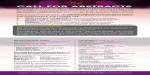
Vilole Images Productions is glad to invite filmmakers to submit documentaries, short films and full-length films to the Shungu Namutitima International Film Festival of Zambia (SHUNAFFoZ). The festival will run from Friday 21st to Saturday 29th August 2015 in Livingstone and from Wednesday 19th to Saturday 22nd August 2015 in Kabwe. Deadline for submissions is Monday 22nd June 2015. Celebrating the 10th Anniversary, under the theme ''DARE TO DREAM, MAKE A DIFFERENCE'', the festival will accept Zambian and African films in competition. However, films from all over the world are for screenings ONLY. the 10th Anniversary will introduce another special award - the Artists Rights Award.
Read more
SHUNGU NAMUTITIMA INTERNATIONAL FILM FESTIVAL (SHUNAFFoZ) 2015
Vilole Images Productions (VIP) is glad to invite filmmakers to submit docuentaries, short films and full-length feature films to the Shungu Namutitima (Smoke That Thunders) International Film Festival of Zambia (SHUNAFFoZ). The festival will run from Friday 21st to Saturday 29th August 2015 in LIVINGSTONE and from Wednesday 19th to Saturday 22nd August 2015 in KABWE. Deadline for submissions is Monday 22nd June 2015. Celebrating the 10th Anniversary, under the theme ''DARE TO DREAM, MAKE A DIFFERENCE'', the festival will accept Zambian and African films for competition. However, films from all over the world are for screening only. The 10th anniversary will introduce another special award - the Artists Rights Award
Read moreFeatured Video

Visitors Counter


|
Today | 128 |

|
Yesterday | 1858 |

|
This week | 1986 |

|
Last week | 10247 |

|
This month | 5326 |

|
Last month | 44630 |

|
All days | 626767 |
Your IP: 54.173.35.129
,
Today: Dec 04, 2017