SHUNAFFoZ (Festival) 2012
- 1
- 2




Motion graphics for Zambian film title sequences
Understanding this craft reveals a simple principle: the strongest openings are shaped by the film they introduce. Typography, image movement, compositing and sound can signal genre, place and emotional temperature before the first scene. For a Zambian production, that identity should arise from the story rather than a generic visual template. Details drawn from Lusaka, a particular character or the film’s emotional rhythm will feel more resonant than polished abstraction used without context.
For Australian viewers and collaborators, this craft also shows how local capacity meets international standards. Sydney and Melbourne are established hubs for animation and post-production, while Zambian projects may operate with different budgets, deadlines and infrastructure. A strong approach combines a precise creative brief, remote review, adaptable animation methods and technical planning from the outset. The aim is a sequence that works in a Zambian festival cinema, on Australian screens and within contemporary streaming environments.
Why opening titles must belong to the film
Opening titles do more than display names. They establish a visual grammar that the film can echo in transitions, posters and promotional material. A crime story might use fractured type and abrupt movement; a family drama might favour measured reveals, intimate photography and restrained typography. The sequence should also respect story chronology, revealing only what the audience is ready to understand. Designing it as part of the narrative prevents the credits from becoming an isolated graphic package.
Because Zambia is linguistically and culturally diverse, title design requires care around language, symbolism and representation. English may share screen space with Tonga, Bemba, Nyanja, Lozi or another language selected by the filmmakers, but wording and reading order need consultation with the creative team. Local references should arise from lived experience, not stock symbols of “Africa”. Artists and cultural advisers can help the designer avoid clichés, check meaning and ensure that visual rhythm reflects the specific community represented in the story.
Turning a story into a visual system
Development begins by extracting the film’s central tension, setting, tone and title information into a concise brief. A useful brief specifies what viewers should feel, which images are permitted, how long the sequence should run and where it sits in the opening cut. References may include title design from African cinema, local graphic design and the film’s own colour palette. The designer should then develop two or three distinct routes, each with a rationale, rather than presenting unrelated visual experiments.
Next comes the animatic, where static frames are timed to temporary sound to test pace, transitions and legibility. This stage exposes problems that polished previews can conceal, such as type appearing too quickly, an effect competing with dialogue or a logo taking the eye away from the story. Review should involve the director, editor and cinematographer, with feedback recorded against exact timecodes. A small audience test in Lusaka and, where possible, with diaspora viewers can reveal whether the intended tone and cultural references are understood.
The finished motion system may combine hand-drawn marks, documentary photography, three-dimensional objects and digitally animated lettering. The choice depends on the story and resources, not on a predetermined hierarchy between animation and live action. Sound design is equally important: footsteps, texture, breath, percussion or a single tonal cue can connect the typography to the world of the film. Temporary tracks should be replaced only after usage rights are confirmed, keeping the creative process moving without creating avoidable legal costs.
Building a practical production workflow
A practical pipeline might use After Effects for compositing and type, vector tools such as Adobe Illustrator for logos, and Photoshop for image preparation. Blender or Cinema 4D can supply three-dimensional elements, while Premiere Pro or DaVinci Resolve supports final assembly and colour work. Smaller studios can achieve a coherent result with fewer tools, provided files, fonts, plugins and render settings are organised early. Project folders should include editable sources, rendered versions, backups and a plain-language handover guide.
Australian collaborators can draw on dense freelance networks in Sydney and Melbourne, as well as screen agencies in states such as New South Wales, Victoria and South Australia. Screen Australia may support eligible screen projects, and AACTA recognition offers a domestic reference point for creative quality. Remote production is routine, but daylight-saving changes can shift review windows between Australian cities and Zambia. Agreeing on a shared calendar, cloud platform, file naming system and two fixed review moments prevents small timing differences from delaying approvals.
Technical planning should match the final destination. Festival DCPs, broadcast masters and streaming files can have different resolution, safe-area and font requirements, while a project may need to survive several aspect-ratio versions. Titles should remain readable on a phone, a laptop and a cinema screen, and type designers should check licensing for every typeface used. Retaining high-resolution masters and a motion template gives future distributors useful options without rebuilding the entire sequence.
Managing rights and audience expectations
Rights clearance belongs beside creative development rather than waiting until delivery. Music, archival footage, photographs, fonts, stock assets and commissioned music can each carry separate conditions. Before a cue enters an animatic, producers should confirm master-use and synchronisation rights. Vilole Images Productions’ music licensing guidance explains the legal considerations facing Zambian filmmakers and offers a useful starting point for documenting agreements, territories and duration.
Australian partners should expect commercial conversations about budgets, delivery schedules, copyright ownership, credits, festival fees and usage beyond the initial commission. Screen Australia or state funding may attach conditions to supported projects, so editors and designers should know which version is the approved master. A written scope can distinguish creation fees from licence fees and avoid assuming that festival screening includes every later platform. Local cultural expertise and music clearance should be budgeted as production values, not treated as optional extras.
Accessibility and audience context also shape delivery. Clean typography, sufficient contrast and restrained animation help viewers with different visual needs, while end-credit information must remain legible under local broadcast or streaming standards. In Australia, titles appear in arthouse festivals, commercial cinemas and on streaming platforms with different runtimes and ad formats. International versions may need shorter credit sequences or revised logos. Checking these variants before final export protects both the look and the practical usability of the work.
A clear brief for Australian collaborators
A reliable brief gives a Zambian production and its Australian partner a shared production standard. These recommendations keep creative ambition connected to schedule, cost and reviewability.
- Start with the narrative by defining the theme, tone, language and audience before choosing a visual style or technical tool.
- Build three visual routes, compare distinct concepts at animatic stage, and select one using agreed creative criteria.
- Use modular assets, including reusable logo, type and texture components, so alternative festival and distribution versions remain practical.
- Record rights as work progresses by logging music, fonts, footage, licences and approval history in a shared production register.
- Schedule reviews early, reserve director decisions before expensive animation, and allow final technical checks before export.
Vilole Images Productions can connect development, pre-production, production and post-production around one brief, while completed films can be showcased through the Shungu Namutitima International Film Festival of Zambia. For Australian studios, the festival offers more than a premiere: it provides a route into local audience feedback, regional distribution conversations and potential co-productions. Bringing motion graphics into that process early gives filmmakers a way to test ideas before camera work and keeps the eventual opening sequence aligned with the finished film.
Teams ready to develop an opening sequence can present the film’s tone, draft titles, target runtime and available footage to Vilole Images Productions. A focused discussion can define the visual route, production schedule, clearance responsibilities and the strongest festival and market deliverables. Contact the studio through Vilole Images Productions to begin a project conversation.
SHUNAFFOZ 2016 Entry Form

Featured Articles
- 1
- 2


SHUNGU NAMUTITIMA INTERNATIONAL FILM FESTIVAL (SHUNAFFoZ) 2015
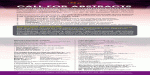
Vilole Images Productions is glad to invite filmmakers to submit documentaries, short films and full-length films to the Shungu Namutitima International Film Festival of Zambia (SHUNAFFoZ). The festival will run from Friday 21st to Saturday 29th August 2015 in Livingstone and from Wednesday 19th to Saturday 22nd August 2015 in Kabwe. Deadline for submissions is Monday 22nd June 2015. Celebrating the 10th Anniversary, under the theme ''DARE TO DREAM, MAKE A DIFFERENCE'', the festival will accept Zambian and African films in competition. However, films from all over the world are for screenings ONLY. the 10th Anniversary will introduce another special award - the Artists Rights Award.
Read more
SHUNGU NAMUTITIMA INTERNATIONAL FILM FESTIVAL (SHUNAFFoZ) 2015
Vilole Images Productions (VIP) is glad to invite filmmakers to submit docuentaries, short films and full-length feature films to the Shungu Namutitima (Smoke That Thunders) International Film Festival of Zambia (SHUNAFFoZ). The festival will run from Friday 21st to Saturday 29th August 2015 in LIVINGSTONE and from Wednesday 19th to Saturday 22nd August 2015 in KABWE. Deadline for submissions is Monday 22nd June 2015. Celebrating the 10th Anniversary, under the theme ''DARE TO DREAM, MAKE A DIFFERENCE'', the festival will accept Zambian and African films for competition. However, films from all over the world are for screening only. The 10th anniversary will introduce another special award - the Artists Rights Award
Read moreFeatured Video
Visitors Counter


|
Today | 128 |

|
Yesterday | 1858 |

|
This week | 1986 |

|
Last week | 10247 |

|
This month | 5326 |

|
Last month | 44630 |

|
All days | 626767 |
Your IP: 54.173.35.129
,
Today: Dec 04, 2017