SHUNAFFoZ (Festival) 2012
- 1
- 2




A beginner's guide to film grant proposals for Zambian creatives
A film grant proposal is the document a filmmaker uses to ask a funding body for support. For a Zambian creator, it can unlock development, production or post-production resources. A strong application does more than describe an exciting film: it shows that the project has a defined audience, credible costs and an achievable schedule. Clear storytelling and honest assumptions matter as much as ambition.
Australian funding routes add another layer. Screen Australia and state agencies such as Screen NSW, Film Victoria and ScreenSA often support projects connected to Australian companies, locations or audiences. International co-production can open doors, but eligibility may depend on an eligible applicant, production spend and ownership of rights. Current guidelines should shape every application; an Australian award alone does not make a Zambian project eligible.
The process below moves from funding type to final submission. It also accounts for familiar Australian screen-industry habits: online portals, firm internal deadlines, concise PDF attachments and remote pitch meetings. Creators who organise their material in this order can present a coherent case to assessors, collaborators and prospective partners.
Match the project to the right funding pathway
Begin by identifying which stage of filmmaking the grant will fund. Development grants commonly support research, scripts, prototypes and audience testing. Production grants usually require a fuller package: a final script, budget, financing plan, key cast, schedule and evidence of distribution or commissioning interest. Post-production funding may cover editing, sound, colour, music and delivery in formats required by a festival, broadcaster or distributor.
The Australian distinction matters because state and national schemes have different eligibility rules, budgets and reporting requirements. Some require an Australian production company, while others accept an eligible applicant working with an Australian co-producer or post-production facility. Confirm whether the applicant, producer, director, subject, principal photography and expenditure must be Australian or Zambian. Documentary, short-film and feature-film programmes may also use separate forms and assessment criteria.
Build a simple tracker rather than relying on memory. Record the closing date, local time zone, page limit, required attachments, eligible costs and authorised signatories. Australian teams often schedule online question sessions and expect uploaded spreadsheets rather than emailed drafts. Attend those meetings with one page explaining the project, its funding needs and the decision you need.
Turn the idea into a clear film proposition
A proposal starts with a film proposition, not a biography. Draft a one-sentence logline naming the protagonist, conflict and dramatic question. Expand it into a short synopsis and longer treatment, explaining what changes for the characters and what the audience will experience. Replace phrases such as “a powerful story about society” with scenes, stakes and a specific point of view. Reviewers need to see the film itself, including its cultural value.
Local genre stories can strengthen the case for audience and distribution strategy. The discussion of Zambian genre films connects action filmmaking to local conditions rather than treating it as imitation. Identify the genre promise, comparable audience and commercial or cultural route. If the film depends on recognisable Zambian locations, characters or language choices, explain how those elements will remain legible to Australian and international viewers.
Show distribution thinking from the beginning. Australian audience pathways can involve AACTA, festivals such as the Sydney Film Festival and Melbourne International Film Festival, public broadcasters including the ABC and SBS, and commercial or streaming platforms seeking distinctive voices. A festival premiere can build credibility, but it is different from a sustained release plan. State who the audience is, which partner could present the film and what evidence supports that pathway.
Build a proposal that survives budget scrutiny
Budget scrutiny is where many strong ideas lose momentum. Present a top-sheet budget and a production budget built from realistic assumptions. Use Australian dollars in the Australian section, state the exchange rate and date for other currencies, and include an appropriate contingency. Identify what the grant covers, what remains unfunded and which costs become ineligible if the shoot moves.
Use one compact checklist for the creative case:
- A clear opening: logline, target audience, format, duration and requested amount.
- A credible story package: treatment, script pages or director’s statement, and visual references.
- A transparent financial case: top sheet, notes, other funding sources, contingency and exclusions.
- A delivery plan: dates, locations, approvals, key personnel and measurable milestones.
Run a second pass across the submission requirements:
- Eligibility: applicant, project type, nationality, expenditure, development stage and deadline.
- Ownership: underlying material, music, archive material, presenter rights and co-production terms.
- Documents: signed forms, letters, headshots, links and files in accepted formats.
- Consistency: names, amounts, dates and funding totals match across every attachment.
Use these checklists as a quality-control system without concealing uncertainty. Label provisional figures and explain their basis. Assessors can test transparent assumptions. A modest budget that reflects your production reality is more persuasive than a total no one believes.
Write for Australian readers and markets
Australian reviewers often move quickly between short documents, spreadsheets and online proposal forms. Put the strongest material first, write in direct English and answer every selection criterion. A document full of prestigious names can distract from a project without a defined market. Include the director’s relevant experience, but connect that background to this film’s particular challenge instead of listing every credit.
A co-production proposal needs a plain explanation of who owns which rights and who controls creative decisions. Specify the Australian element and explain why it strengthens the project through casting, locations, post-production, distribution or finance. State proposed splits of intellectual property, revenue and exploitation without pretending final agreements are signed. Support from a respected Australian festival, broadcaster or distributor can demonstrate access to audiences, but an unconfirmed endorsement should never be presented as a guarantee.
Legal and production planning are part of the proposal even when a lawyer joins later. The Australian Copyright Act 1968 shapes ownership and licensing, including moral rights and assignments. State and council filming permits, performer and location releases, privacy consent, drone rules and child-performer permits may also apply. Public release can raise classification questions. Name the issues requiring resolution, attach available permissions and use “subject to contract” only where it is accurate. Producers in Sydney and Melbourne can draw on established crew and post-production networks, while regional proposals may need to explain how they will work with those partners.
Prove that delivery and reporting are realistic
Delivery plans should show that the project can survive contact with real production. Break the schedule into development, pre-production, principal photography, post-production and delivery. Identify dependencies such as permits, travel, casting, music rights and festival deadlines. Cross-border productions need time for visas, customs, insurance and remote collaboration. Build around Australian working weeks and public holidays as well as Zambian school calendars and family availability.
Matching the application to its stage protects credibility. A development request should emphasise learning, audience testing and a path to financing. A production request needs named key crew, credible suppliers, production dates and evidence that essential funds are secured. Confirm with the legal applicant that a proposed producer has the capacity to manage grants, contracts and reporting before attaching their name. This protects the filmmaker from making commitments on behalf of an organisation that has not authorised them.
Funding bodies commonly receive progress reports, final accounts and evidence against agreed outcomes. Turn those duties into milestones: script delivery, rough cut, completed picture, festival premiere and archival delivery. State who maintains production records, which reporting format the programme requires and what happens if the schedule changes. Transparent communication protects the relationship and allows a publicly funded film to continue pursuing audiences after the grant period.
Turn the finished proposal into a submission
Assemble the final package as one coherent decision document. Name the funding body and programme in every filename, check page limits and leave time for corrections after internal review. Australian teams may need separate clean copies for technical checks, so confirm that every PDF opens correctly and that captions, images and spreadsheets remain visible.
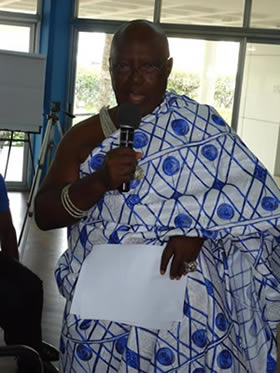
Before submitting, review the portfolio, services and festival updates from Vilole Images Productions to connect the proposal with the wider Zambian production ecosystem. A credible grant case can sit beside a directed portfolio, a production plan and evidence that audiences beyond Zambia may engage with the film. If the project is complete, the Shungu Namutitima International Film Festival of Zambia also provides a relevant showcase and industry pathway for documentaries, short films and features.
Open the relevant guidelines today, choose one realistic funding opportunity and create a deadline that ends several days before submission. Draft the strongest section first, assign responsibility for the budget, rights and attachments, then complete a final consistency check. Submit through the official portal, retain confirmation and use the outcome to strengthen the next application.
SHUNAFFOZ 2016 Entry Form

Featured Articles
- 1
- 2
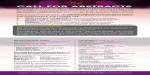


SHUNGU NAMUTITIMA INTERNATIONAL FILM FESTIVAL (SHUNAFFoZ) 2015
Vilole Images Productions is glad to invite filmmakers to submit documentaries, short films and full-length films to the Shungu Namutitima International Film Festival of Zambia (SHUNAFFoZ). The festival will run from Friday 21st to Saturday 29th August 2015 in Livingstone and from Wednesday 19th to Saturday 22nd August 2015 in Kabwe. Deadline for submissions is Monday 22nd June 2015. Celebrating the 10th Anniversary, under the theme ''DARE TO DREAM, MAKE A DIFFERENCE'', the festival will accept Zambian and African films in competition. However, films from all over the world are for screenings ONLY. the 10th Anniversary will introduce another special award - the Artists Rights Award.
Read more
SHUNGU NAMUTITIMA INTERNATIONAL FILM FESTIVAL (SHUNAFFoZ) 2015
Vilole Images Productions (VIP) is glad to invite filmmakers to submit docuentaries, short films and full-length feature films to the Shungu Namutitima (Smoke That Thunders) International Film Festival of Zambia (SHUNAFFoZ). The festival will run from Friday 21st to Saturday 29th August 2015 in LIVINGSTONE and from Wednesday 19th to Saturday 22nd August 2015 in KABWE. Deadline for submissions is Monday 22nd June 2015. Celebrating the 10th Anniversary, under the theme ''DARE TO DREAM, MAKE A DIFFERENCE'', the festival will accept Zambian and African films for competition. However, films from all over the world are for screening only. The 10th anniversary will introduce another special award - the Artists Rights Award
Read moreFeatured Video
Visitors Counter


|
Today | 128 |

|
Yesterday | 1858 |

|
This week | 1986 |

|
Last week | 10247 |

|
This month | 5326 |

|
Last month | 44630 |

|
All days | 626767 |
Your IP: 54.173.35.129
,
Today: Dec 04, 2017